

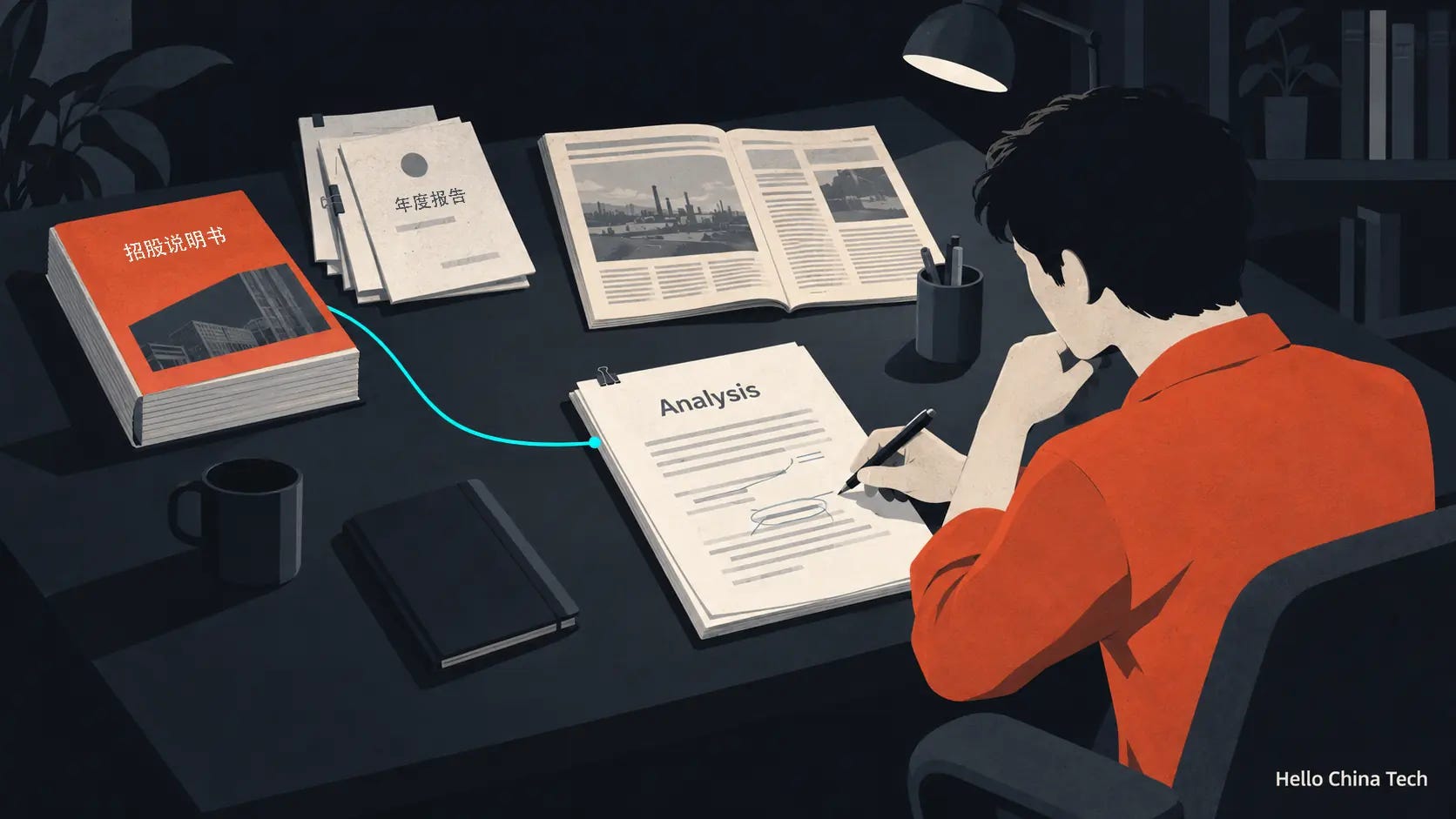
Hello China Tech is an analysis newsletter on China’s technology industry, written in Beijing for investors, operators and policy researchers. I read the Chinese sources in Chinese, and I have watched this industry for 12 years. That lets me read China tech four ways. The system: how the state works with the market. The industry: why companies act the way they do. The language: what the original Chinese says, read the way insiders read it. The history: which of today’s stories has happened before. I publish new deep dives every week. The analysis has been cited by Bloomberg, the Financial Times, Reuters, The Economist, CNN, AFP, WIRED and the South China Morning Post.
This page is the shortest route to deciding whether the newsletter is for you.
Read these first
All five are free in full.
The China Tech Field Guide. Six principles from a year of essays, each with the evidence that would prove it wrong. Re-scored and re-issued every July. There is a PDF edition for sharing.
DeepSeek’s Theory of the AI Gap. A four-hour investor meeting with DeepSeek’s founder, published only in Chinese. I reorganized it by theme and checked it against my earlier calls. This is how I work from a primary source that has no English version.
China’s AI Model Companies Can Only Afford One Bet. Why platform giants can pursue every AI monetization route at once while independent labs can afford exactly one. This is how I build a framework for a whole sector.
What China’s 470 AI Dramas a Day Reveals About AI Entertainment at Industrial Scale. Production economics, labor, regulation and culture in one story, and why China’s market is a preview of everyone else’s.
The 3Q War: How One Night in 2010 Built China’s Walled Gardens. In 2010, Tencent made QQ users choose between QQ and a rival’s software. No regulator or court ever gave Chinese platforms the right to cut off a rival, yet that night set the rule they still follow, including which AI agents WeChat lets in. This is how I use history: the first story in Origins, my free series on the past behind today’s headlines.
More than 70 full articles are open to everyone. They are listed under Free Reads.
To read by sector instead, use Topics: AI models, platforms, chips, EVs, robotics, and policy and capital.
What I publish
Deep dives. New ones every week. Long-form analysis built on Chinese primary sources, each with a framework you can reuse. Paid subscribers read every piece in full. Free subscribers get the preview of each, plus selected deep dives unlocked in full.
FlashPoint. Short, financial-first analysis of a market-moving event, published the same day or the next morning. Paid only. Browse FlashPoint.
Weekly Recap. A Sunday post that ties the week’s essays into one thread and flags what to watch next. Free to every subscriber.
Reports. Long reports that rebuild a year of coverage on one sector into a single document, with a data appendix and a stated data cutoff date. Sold separately; paid subscribers pay $49 instead of $99. Two are out now, on China’s AI chip stack and China’s embodied AI industry. See all reports.
What is free, and what paid adds
Free subscribers get
Previews of every new deep dive
Selected deep dives unlocked in full
The Weekly Recap every Sunday
The China Tech Field Guide and the annual calibration letter, in full
Paid subscribers get
Every deep dive in full, with new ones every week
FlashPoint, published while the event is still moving
The complete archive: more than 200 analyses and every framework
Research reports at $49 instead of $99
Founding members get
Everything in paid
The Framework Index, the reference that collects the named tools in this archive
One report each quarter, chosen by me, at no cost
The Founding Letter, four times a year, where my calls get settled in public. Past letters
Only need one article? Every paid deep dive and FlashPoint can be bought on its own as a PDF, for $5 and $3. The buy link sits at the end of each free preview. No subscription or account needed.
Teams and institutions. Group subscriptions and institutional access, including every report, are described on the Institutional Access page.
How I work
Every essay carries a date, so every call can be checked. The Field Guide re-scores the core principles each July. The calibration letter, What I Got Wrong About China Tech, grades individual calls each August. When the analysis is wrong, you read it here first.
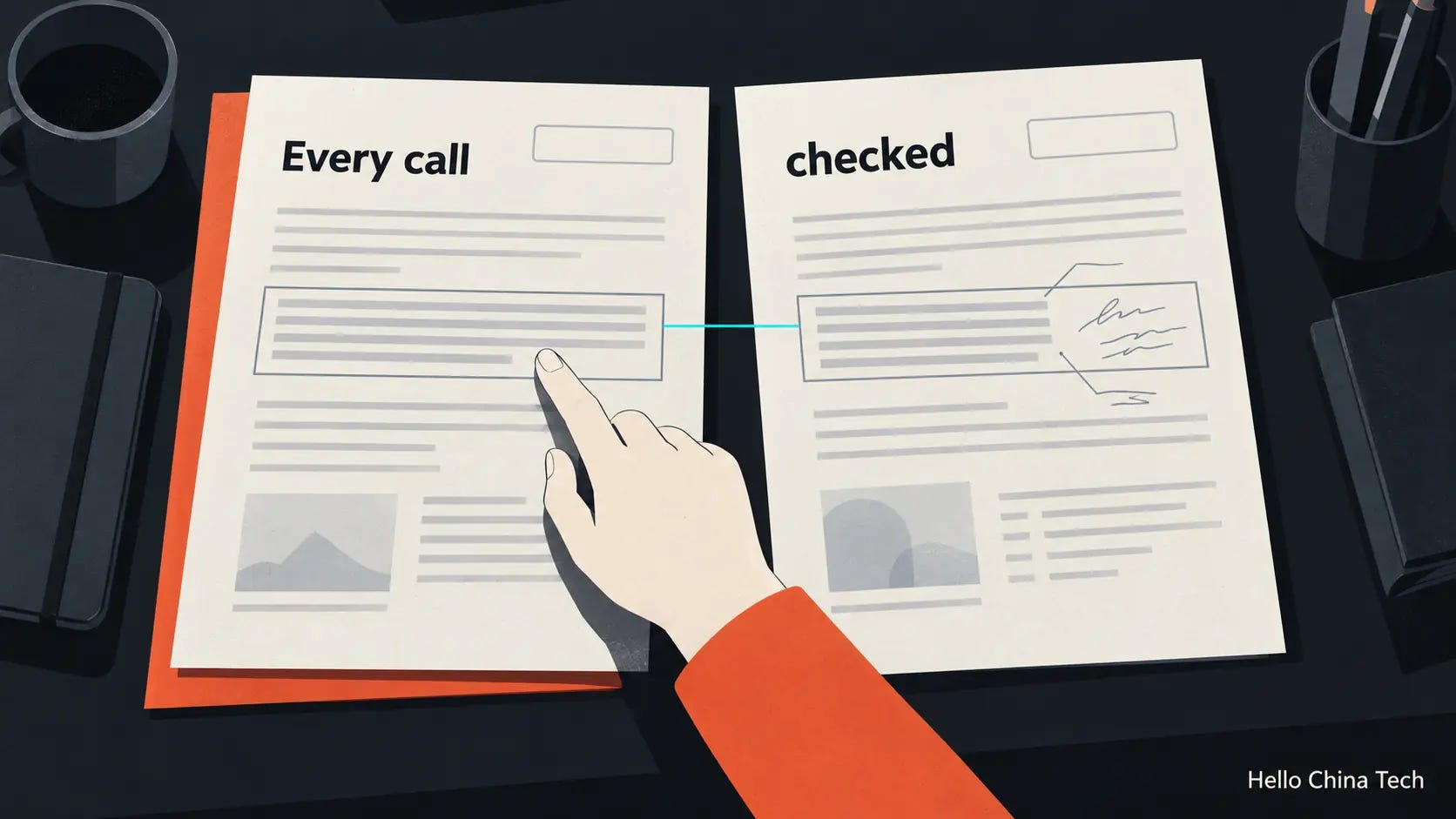
I think and outline in Chinese. AI tools help me draft and edit the English. Every topic, argument, number and conclusion is mine, and I check each one against the original Chinese source. The full description is on the About page.