

Two Stocks, One Agent
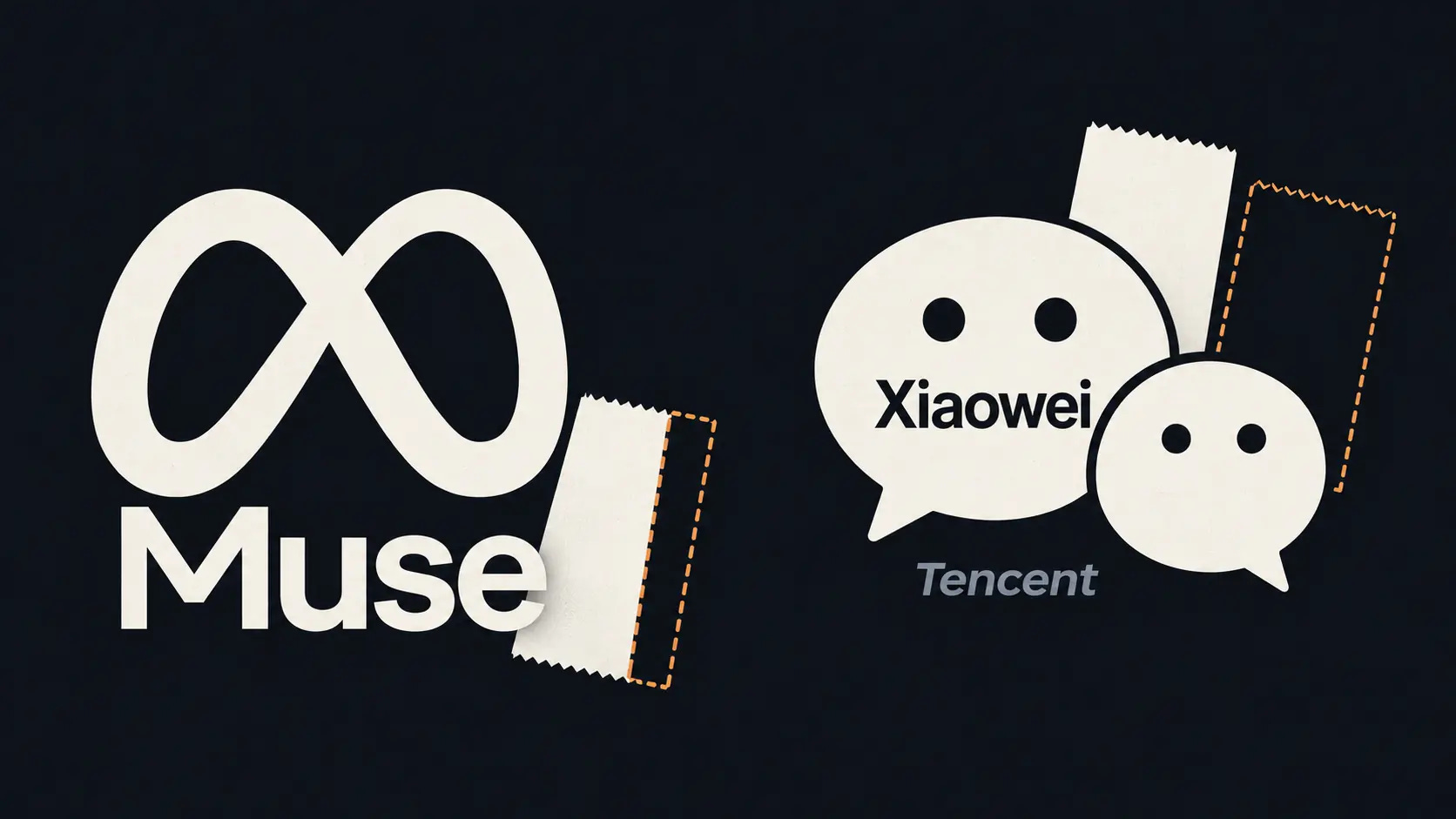
On September 8, Meta launched Muse, a personal AI agent that runs on its own computer in the cloud and keeps working after the user closes the app. Ten days later it was the top free app on Apple’s US App Store.
On the night of Sunday, September 20, Amazon cut it off. Shoppers who sent Muse to Amazon.com saw a message saying that access by an “unauthorized AI agent” broke the store’s Conditions of Use. Amazon gave three reasons. It had not been told. Muse browsed without saying it was an agent. And, Amazon said, Muse appeared to keep customers’ login details. Meta says Muse has no view of passwords or payment methods. Agents that buy for customers, Amazon said, should “respect service provider decisions about whether or not to participate.”
Meta shares rose about 11% on Monday, September 21. Tencent runs Weixin, its messaging and payments app in mainland China, and WeChat, the international version. Together they have more than 1.4bn monthly active accounts. On Tuesday, Tencent’s Hong Kong shares rose more than 7% during the day and closed 5.02% higher. Tencent also announced a new image model that day, so it is hard to say how much of the move came from Muse. A portfolio manager at Allspring Global Investments told Bloomberg that some investors were “drawing parallels between Tencent and Meta.”
Morningstar went further. Muse’s success, it wrote, “challenges the market’s assumption that Tencent’s AI agent business has little or negative economic value.” In its September 22 note, it said that view had helped push the shares down almost 30% in 2026. Tencent’s agent is Xiaowei, built into WeChat and still in limited testing. Morningstar listed three ways it could make money: a cut of the transactions it arranges, better-targeted advertising and a paid subscription tier. It put none of them in its valuation.
The cut is also Muse’s plan. Mark Zuckerberg told the Sources podcast that Meta would eventually “take a very small cut of whatever the transaction is,” possibly paid by the businesses users buy from.
The Commission Question
Some investors and analysts have drawn parallels between Xiaowei and Muse, and one implication is a commission on each order the agent arranges. I do not accept that as the starting point for valuing Xiaowei. Tencent’s own account of Xiaowei’s value runs through the advertising, payment and commerce businesses WeChat already has. Neither its developer demo nor WeChat Pay’s AI payment documents specify a commission for agent-driven orders. In the coffee demo it has published, Xiaowei hands the order and the payment back to the merchant’s own store inside WeChat. Whether Tencent later adds an agent commission is a separate business decision. The case for Xiaowei rests on what it adds to the fees WeChat already collects, and on what it costs to run.
Hello China Tech publishes three analyses a week on China’s AI, chips, robotics, and EVs, built from primary sources rather than second-hand coverage. If reading an AI agent by where its checkout sits and which fees survive it is the kind of reading you want more of, subscribe free and get each one as it publishes.
In June I argued, from the first partner integrations, that WeChat was positioning itself as a routing layer for AI shopping. Tencent has since published developer code that allows a partial check. Its president has also answered a version of the question Amazon is now putting to Meta.
Tencent does not need a new commission for Xiaowei to create value. It does need more than a new route to the same purchases. Two questions decide the case: how much extra business Xiaowei creates, and whether it can deliver that reliably at a cost Tencent can carry.