

January 2026 brought China’s AI sector an unexpected combination. StepFun, a Shanghai-based foundation model company, closed over ¥5 billion (roughly $720 million) in Series B+ funding. The round became the largest private funding in China’s foundation model sector over the past 12 months, exceeding even Moonshot AI’s $500 million from late December.
The timing mattered. Weeks earlier, Zhipu AI and MiniMax had debuted on the Hong Kong Stock Exchange, tapping public markets to extend runway. Their prospectuses disclosed how fast they were burning cash. My December analysis showed Zhipu holding ¥2.55 billion in reserves against ¥300 million monthly burn. MiniMax had roughly ¥7.35 billion but consumed ¥2 billion monthly. Their filings read like emergency funding applications.
StepFun chose differently. The company secured private capital and announced Yin Qi, founder and CEO of Megvii Technology, would join as chairman.
(Yin Qi, co-founder and CEO of Megvii, is pictured during an interview at the company’s headquarters in Beijing on May 13, 2019. Photo: Simon Song)
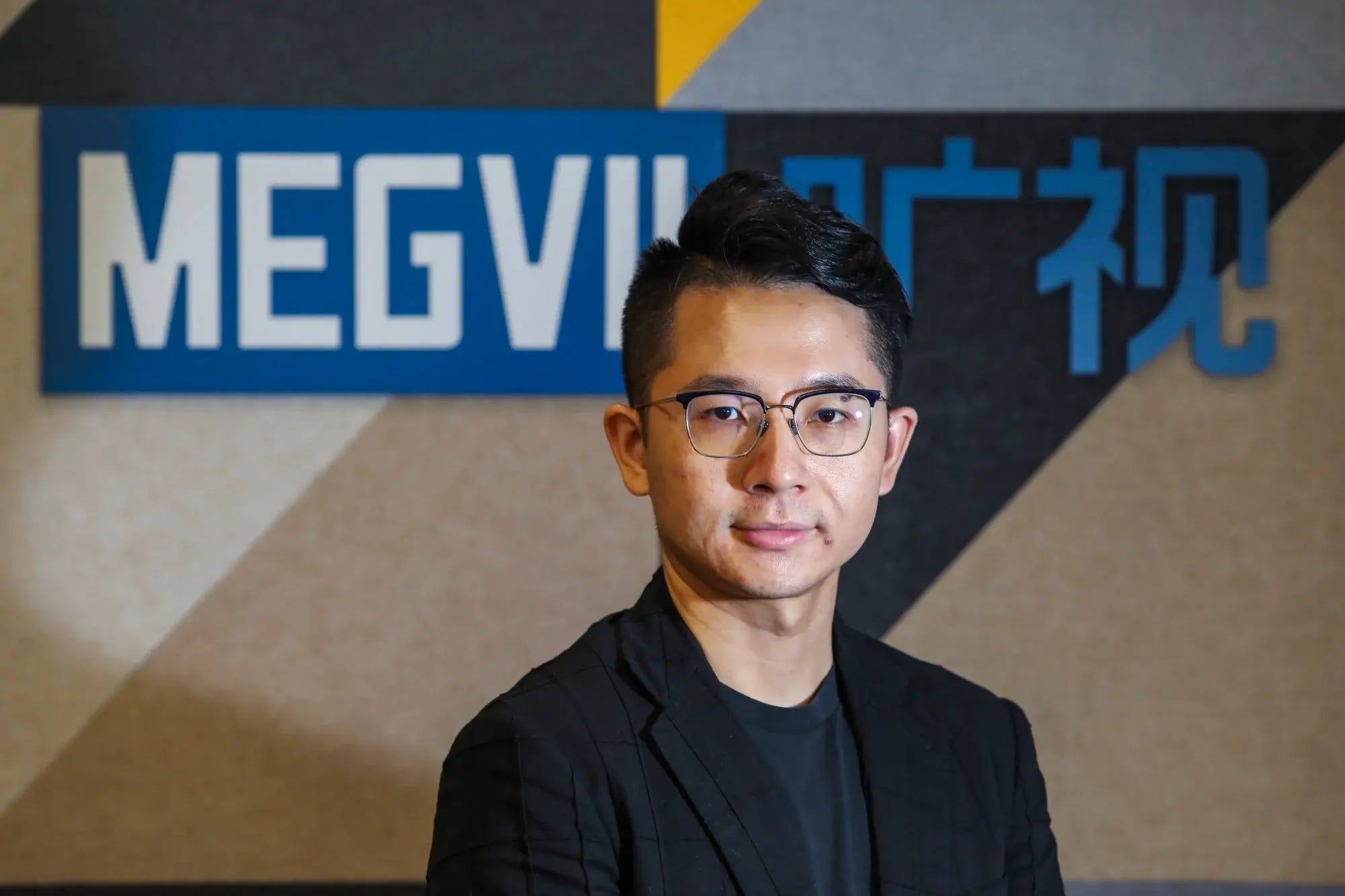
For observers unfamiliar with Chinese AI history, this requires context. Yin Qi built Megvii into one of China’s original “Four AI Dragons” during the 2010s computer vision boom. The company’s Face++ platform consistently ranked at the top of major computer vision benchmarks, including winning multiple first-place finishes at the COCO and Places challenges. MIT Technology Review named him an Innovator Under 35. Measured by AI 1.0 standards, Megvii represented technical triumph.
Measured by commercial standards, something else. Between 2019 and 2024, Yin Qi attempted to take Megvii public three separate times. Each attempt failed.
The first came in August 2019, targeting a Hong Kong listing worth $500 million to $1 billion. Two months later, the Trump administration placed Megvii on the Entity List over alleged involvement in Xinjiang surveillance. The filing lapsed following the designation.
Yin Qi pivoted to Shanghai’s STAR Market in 2021. The listing committee approved in September that year. Regulatory inquiries dragged on, focusing on data compliance and customer relationships. The registration process suspended in March 2022. For more than two years, the application remained in regulatory limbo. In December 2024, Megvii quietly withdrew.
The financials explained why. Megvii lost ¥6.64 billion in 2019 alone. R&D spending exceeded 100% of revenue in 2020. The company proved it could build world-class computer vision technology. It could not prove the technology generated sustainable economics.
This history makes StepFun’s decision remarkable. The company secured China’s largest AI funding round in twelve months. As chairman, it chose someone whose previous company spent five years unable to go public despite global technical recognition.
Capital committed ¥5 billion to this choice. The investor syndicate included China Life Equity (one of China’s largest insurance funds), multiple municipal SOE platforms, industrial partners like Huaqin Technology (a smartphone ODM worth nearly ¥100 billion), and existing shareholders Tencent, Qiming, and 5Y Capital. These entities conduct extensive due diligence. They invest with multi-year horizons.
What do they see in Yin Qi that three failed IPO attempts might obscure?