


On July 30, Zhongji Innolight listed its shares in Hong Kong. The Suzhou manufacturer, which LightCounting estimates had the highest optical module revenue worldwide in 2025, at $5.3bn, priced the offering at HK$980 and raised HK$53.4bn, about $6.8bn. It was Hong Kong’s largest share sale of 2026 to date. The stock closed its first session at HK$960, down 2.04%.
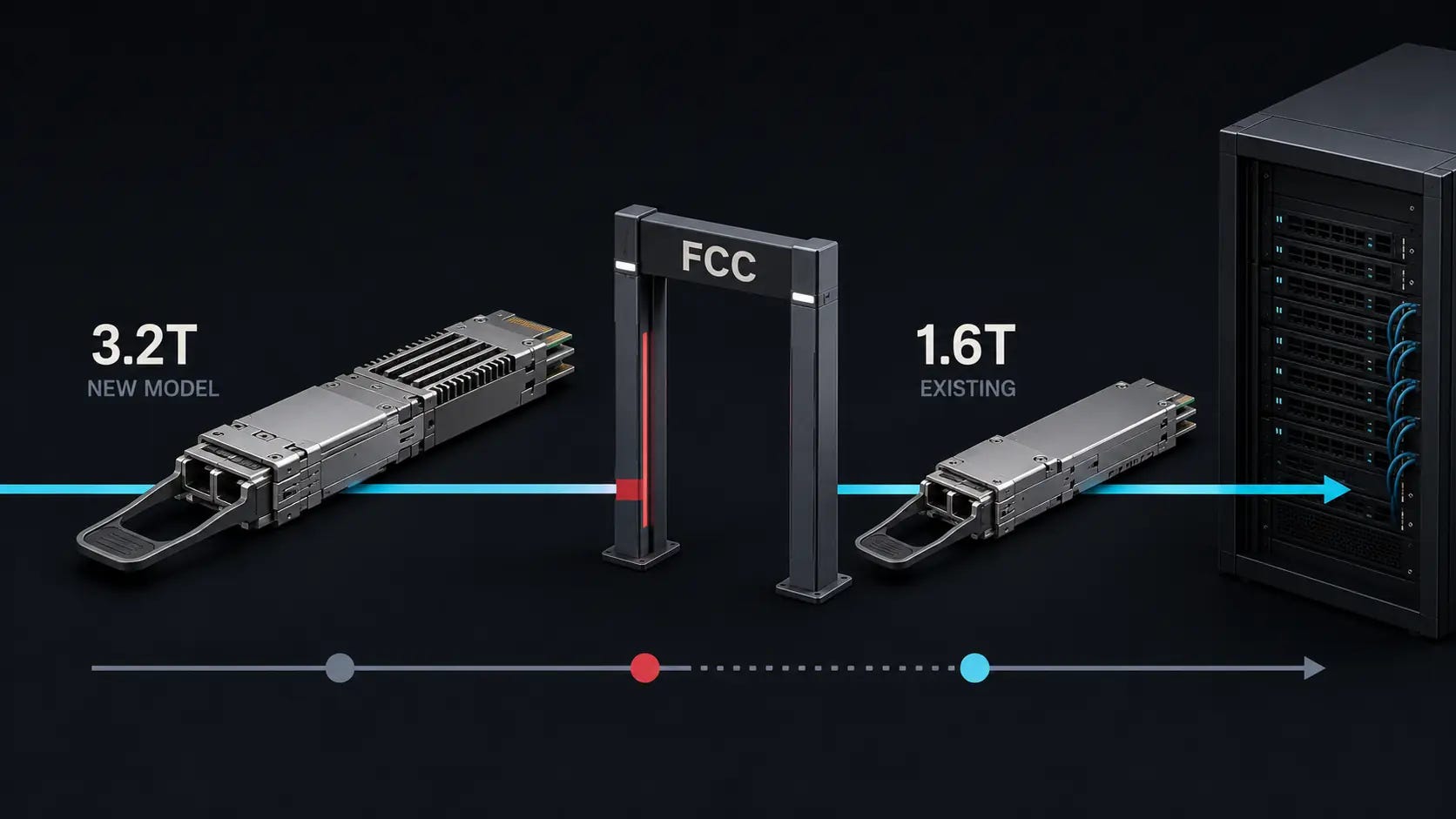
Five days later, Reuters reported that the Trump administration was drafting a measure to bar imports of new models of Chinese optical transceivers. Officials reportedly want to announce it by the end of 2026 and have it take effect upon announcement. The plan would initially block all new transceiver models, then exempt many non-Chinese suppliers. Models already eligible for sale in the US would not be covered. The measure could still be modified or shelved.
The selloff on August 5 was tiered. Innolight closed down 7.27% on record turnover of Rmb 67.5bn, while Eoptolink fell 5.29%. Accelink, which earned just 26.69% of its revenue outside China, and Shanghai-listed CIG, which has manufacturing capacity in Malaysia, were roughly flat. Their performance suggested that investors were distinguishing between companies by overseas exposure and production footprint. Both industry leaders had fallen about 10% intraday before recovering. Neither recovered over the two sessions that followed. Innolight rebounded on August 6 and fell again on August 7, closing 9.99% below its August 4 level; Eoptolink ended 6.04% lower.
Sell-side opinion split on emphasis. Jefferies read the report as bargaining leverage ahead of a possible September US-China leaders’ meeting. Chinese brokerages focused instead on supply constraints. Guotai Haitong argued that a blanket ban would be difficult to operate because module vendors co-develop products with American cloud customers over long cycles. CICC estimated that North American suppliers would need several years to close the capacity, certification and yield gap. Taken together, these views suggested a narrower conclusion: a comprehensive ban would be difficult to execute without disrupting American buyers.
Innolight said it had verified that the FCC had issued no formal restriction in the relevant area. Eoptolink said it was monitoring the report and had found no authoritative source confirming it. Neither company made an exchange filing. Those responses neither confirm nor disprove an unpublished draft.
This newsletter argued last month that investors were pricing Innolight’s commercial opportunity well ahead of its regulatory risk. The reported draft now tests that argument against an authorization mechanism the FCC recently extended deeper into the supply chain. The discount looks sized for a measure investors expect to be mild or improbable.
That reaction is defensible and still misses the point. Tariffs tax goods at the border. Export controls stop technology from leaving. Equipment authorization determines whether a product may legally enter a market. The reported draft would preserve existing shipments while restricting what Chinese suppliers can introduce next. The contested asset is not installed volume. It is the right to iterate.
If the idea that a regulator can freeze a supplier’s future products without touching the ones it ships today is new to you, this is a preview of what Hello China Tech does three times a week: reading China’s AI, chip, robotics, and EV sectors from primary sources most English coverage never touches. Subscribe free to get every new analysis as it publishes.
The selloff priced the near-term effect. It did not price the next product cycle. The answer begins with an FCC rule adopted two weeks before the leak, and with Beijing’s response on the day Chinese optical stocks fell.