


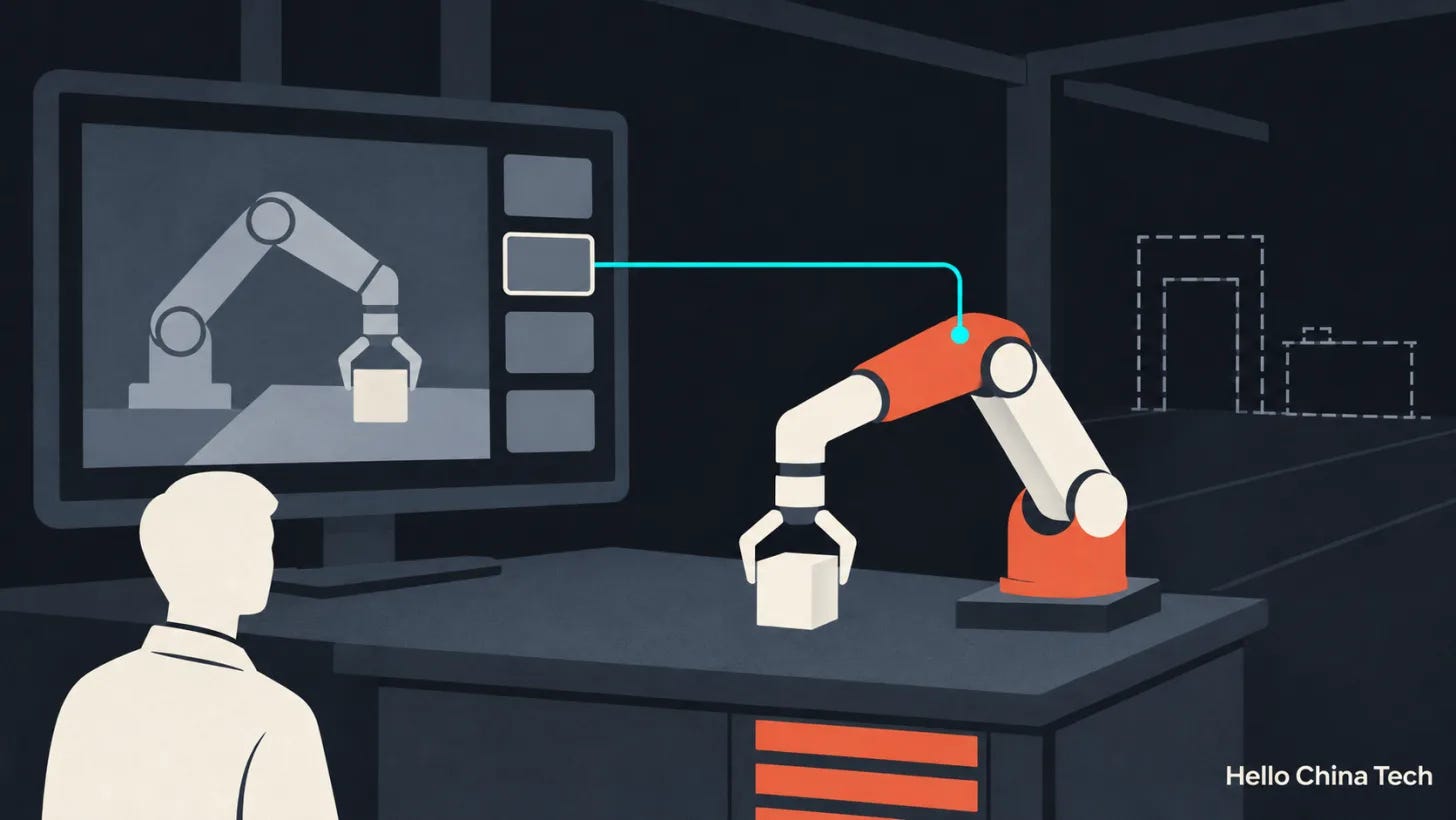
On November 3 in Shenzhen, Baidu, the Chinese search and AI group, gave its self-driving unit its own session at Baidu AI Day. Wang Liang is chief architect of Baidu’s Intelligent Driving Group. He said a world model cannot just be “a painter that generates cool videos.” It has to become “an examiner” that checks whether a driverless car is safe. The model on stage, Apollo World, already supports testing and validation for Apollo Go, Baidu’s robotaxi service, according to Baidu’s press release.
Wang also compared robots with cars. Robots that dance or fold clothes are impressive, he said, but learning to drive is a different problem. A robot carries out planned motions in a limited space. A driverless car shares open roads with traffic it cannot predict, and has almost no margin for error. Which machine faces the harder problem is an old argument. I argued in February that rooms are less structured than roads, so I see the robot’s task as the harder one. This piece asks a different question: how each industry checks that its software is good enough.
Robot developers were already using the same kind of examiner. On August 27, X Square Robot, a robotics company based in Shenzhen, released WALL-SS, a world model built to score robot control software before the best versions move to physical testing.
I read both moves as giving the world model the same job. In both industries, leading developers now use it as an examiner, and the exam it sets is a mock exam. It tests candidate versions of the software, and the robot studies show it can rank them and pick which ones go on to physical testing. The real test still requires real-world driving for robotaxis and physical robots for humanoids. Ranking and passing are separate jobs. The evidence so far supports the first.
Hello China Tech publishes new analyses every week on China’s AI, chips, robotics, and EVs, built from primary sources rather than second-hand coverage. If reading China’s national standards to see what a simulator score can count for is the kind of reading you want more of, subscribe free and get each one as it publishes.
Two Industries, One Job
On the car side, older simulators, Baidu says, moved other cars and pedestrians along a script. Apollo World makes each road user in its virtual city an AI agent that decides and reacts. If the robotaxi slows or changes lane, the traffic around it responds. Yang Ze is the Baidu architect who leads the world model work. He says a test car can drive a whole trip in the virtual city, from accepting an order to dropping off a passenger.
Waymo, Alphabet’s self-driving unit, introduced the Waymo World Model in February. It is built on Genie 3 from Google DeepMind and produces camera and lidar data for rare events, from a tornado to an elephant. Waymo says its driver has covered billions of miles in virtual worlds. In a December 2025 post, it described three parts built on one foundation model: the Driver, a Simulator to test it, and a Critic to grade it.
The robot side reports its results in the same form. X Square tested WALL-SS against a physical robot. It took five saved versions of one robot policy, each of different quality, and kept them fixed for the test. Each version ran six tasks from 20 matched starting setups, once inside the world model and once on the real robot: 600 paired runs in all. The two sets of success rates moved closely together, with a Pearson correlation of 0.93. On average they were 6.2 percentage points apart. When the real results separated two versions on the same task, the world model kept the same order 89% of the time.
Runway, the US video AI company, ran a similar test with its GWM-Robotics model. It ran eight robot-arm control models from a public benchmark inside its world model. About ten people scored each of 1,450 simulated runs, more than 16,000 ratings in all. The simulated scores tracked the real ones at a correlation of 0.95.
A high correlation shows that simulated and real scores rise and fall together. It does not show that 70% in simulation means 70% on a real robot. Runway says so in its limitations section: the study “evaluates policy ranking … rather than absolute success-rate prediction.”
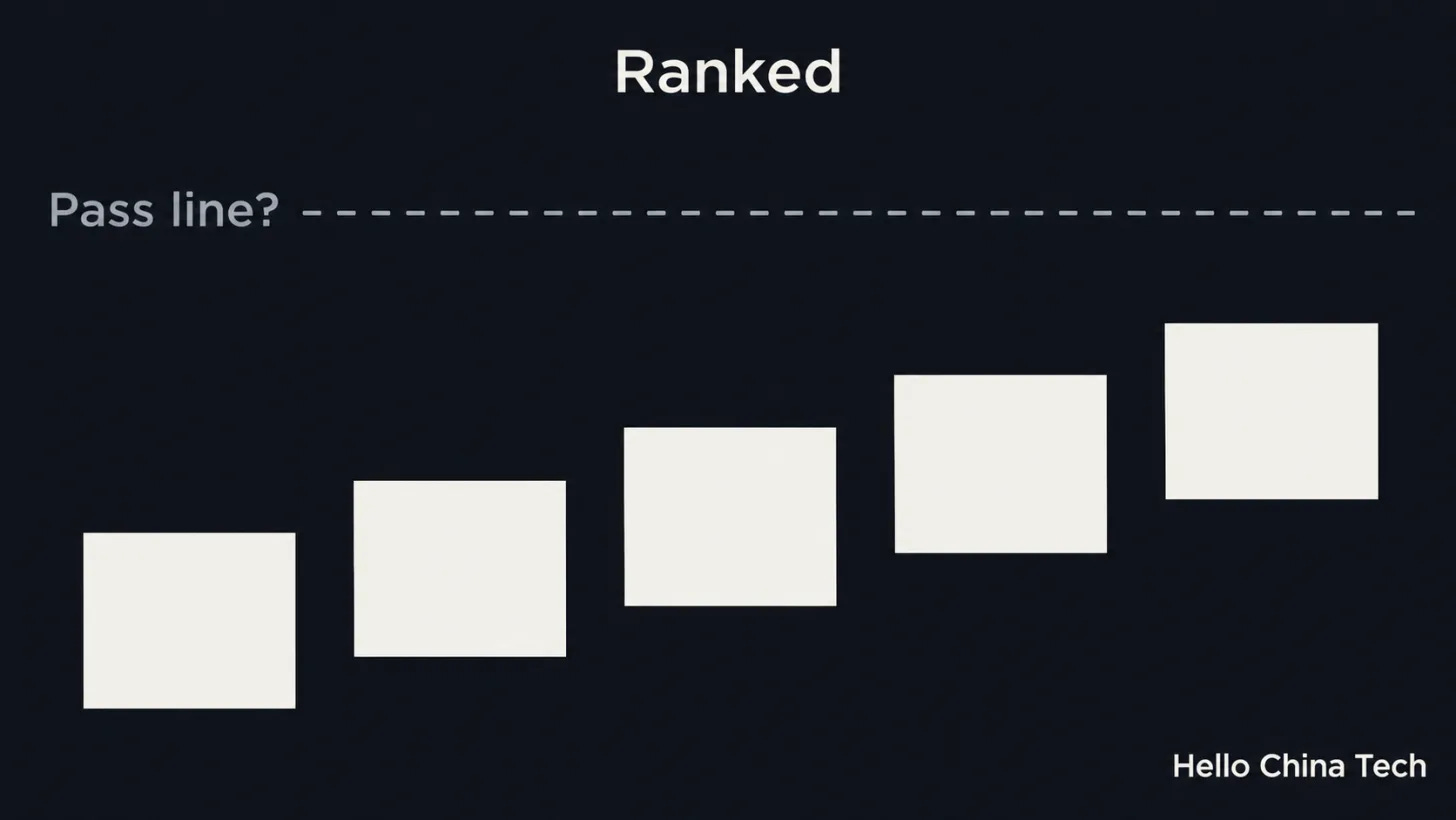
Below the paywall: a layer-by-layer ledger for robotaxis and humanoids in China. It shows who sets the pass mark, what simulation may do at each layer, and when each rule took effect.