

In April 2026, Tencent Research Institute published findings from a survey of 2,903 Chinese internet users aged 18 to 40. One data point stood out above all others.
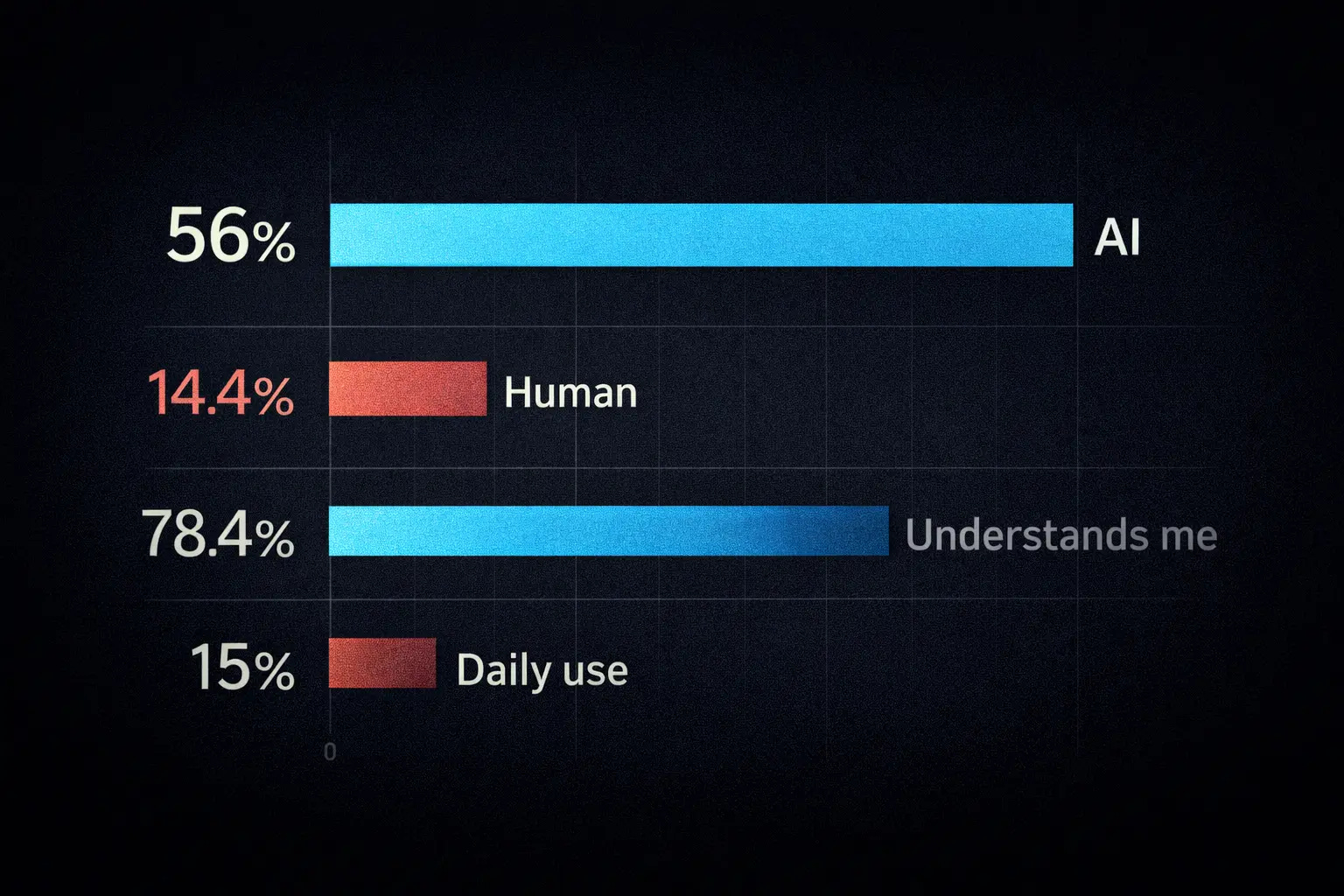
When respondents were asked who they would turn to with thoughts they found too shameful or painful to say aloud, 56% chose AI. The share who chose another human being was 14.4%.
This is not a question about convenience or productivity. The survey isolated one of the most emotionally vulnerable moments in a person’s social life and suggests that many users now prefer a machine to another person in that moment. The ratio was nearly four to one.
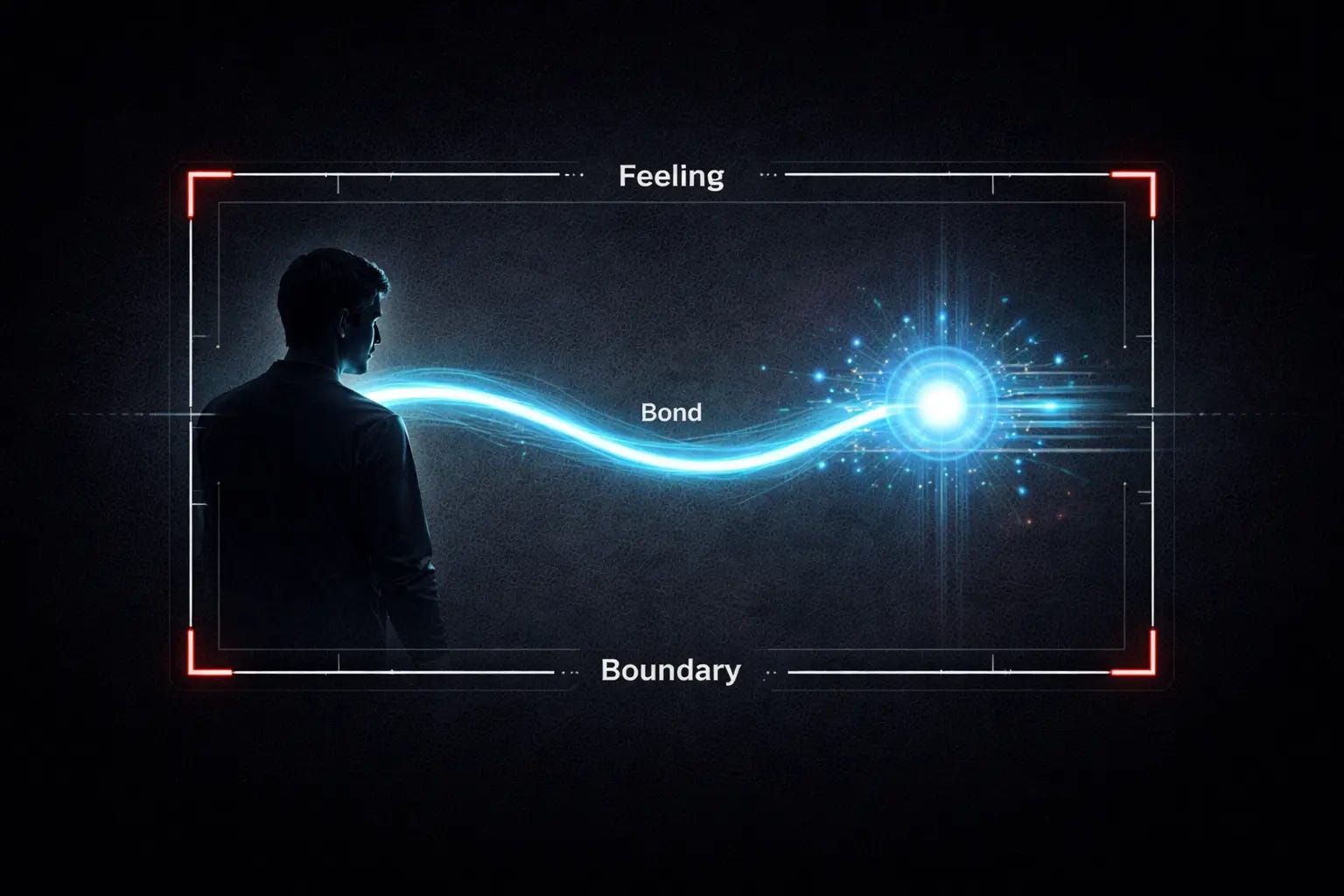
The finding arrived two weeks after five Chinese government agencies jointly published the Interim Measures for the Management of Anthropomorphic AI Interactive Services. The regulation, effective July 15, 2026, is one of the earliest dedicated national frameworks China has published for this category. It does not merely regulate content or data. It attempts to set terms for how a machine may occupy the role of confidant, companion, and emotional anchor.
The usual framing for Chinese tech regulation emphasizes state preemption: Beijing sees a risk on the horizon and moves to contain it before it fully materializes. That framing does not entirely fit here. In the surveyed population, the behavioral shift preceded the rule. What the regulation governs is a relationship that users had already begun to form.
From Trial to Routine in Under Three Years
The Tencent survey measured more than a single preference. It mapped the broader architecture of AI’s integration into Chinese youth social life.
Among respondents, 94.4% had heard of at least one AI social product. Of those aware, 98.8% had tried at least one. The average usage rate across the four product categories surveyed was 50%. The near-total conversion from awareness to trial suggests that AI social tools have moved from novelty into mainstream exposure with unusual speed.
Usage frequency told a parallel story. 15% of respondents reported interacting with AI socially every single day. Nearly 40% used these services at least once per week. For a substantial portion of the sample, AI social products had crossed from novelty into routine.
The emotional dimension was equally striking. 78.4% of users reported at least one moment of feeling that “AI understands me.” Among those, 23.4% described the feeling as frequent or habitual. Only 21.5% maintained a purely instrumental relationship with these tools. The rest had crossed into territory where the interaction carried emotional weight.
A separate survey published in March 2026 by the China Youth Research Center extended the picture downward in age. Researchers surveyed 8,563 primary and secondary school students across 7 provinces. Over 60% had used AI. Among those users, 35.2% reported chatting with AI or confiding personal feelings to it. And 20.5% said they preferred relying on AI to think rather than thinking independently. Rural students showed higher rates of dependency than urban ones, suggesting meaningful regional differences in how AI is being used and relied upon.
Read together, the two surveys suggest that emotionally meaningful AI use now spans a very wide age range. The shift is not hypothetical. It has measurable depth and width across both youth and adult populations.
ARK Invest has projected that the global AI companionship market could reach $70 billion in its base case and $150 billion in its bull case by 2030, up from roughly $30 million in annualized revenue in 2023. The exact trajectory remains uncertain, but the scale implied by that forecast helps explain why regulators are moving early.
The data confirms that the shift has happened. But what exactly did people shift toward, and what does the new regulation reveal about how Beijing reads the risks? The answers lie in the structure of the law itself, in what it chose to prohibit, what it chose to permit, and the enforcement gaps it left open.
