

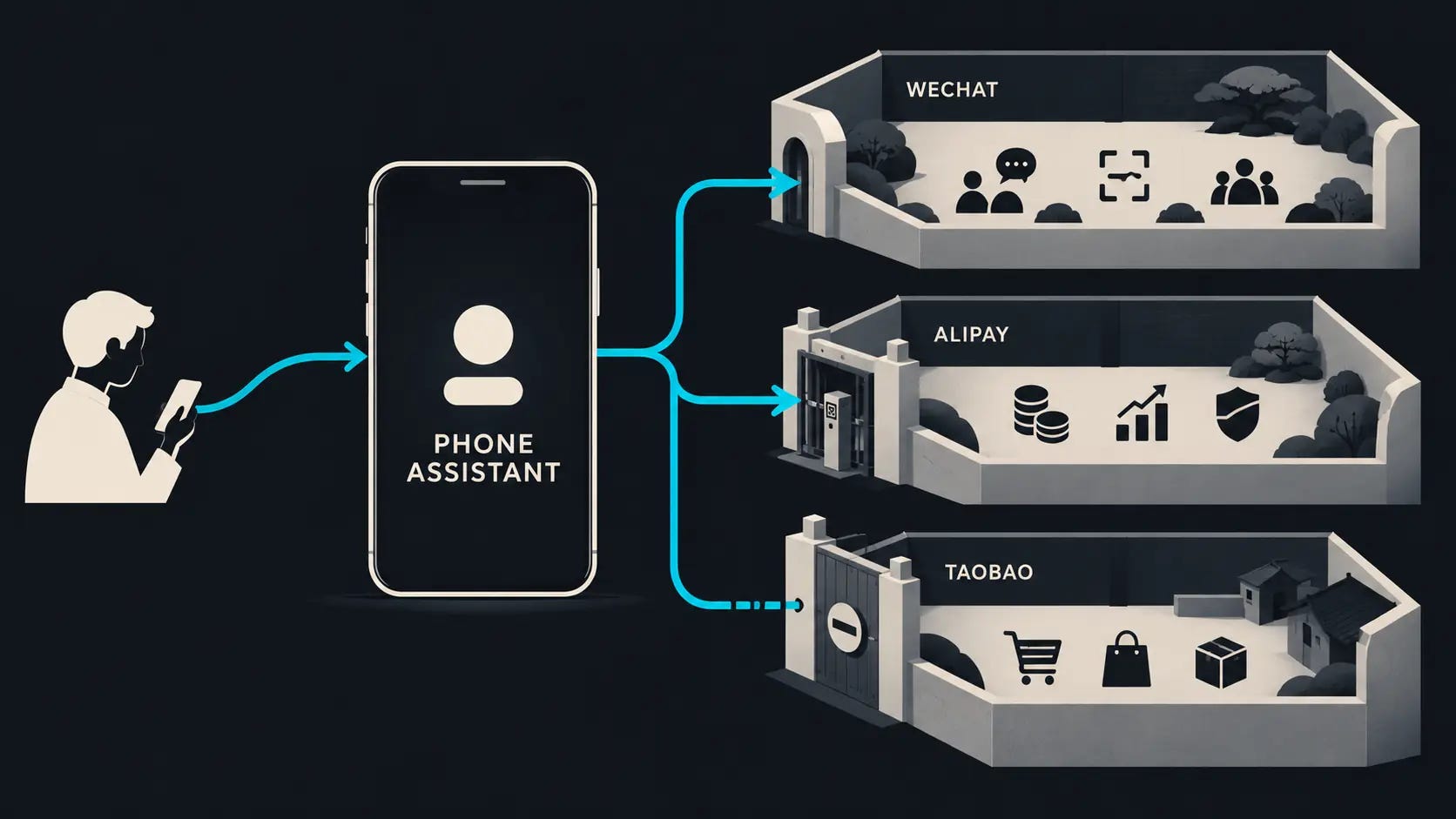
In the two weeks to September 28, most layers of China’s AI phone moved. The right to act inside another company’s app did not.
On September 16, Nubia, the phone brand of telecom equipment maker ZTE, began selling its second-generation Doubao phone, built around the AI assistant of ByteDance, TikTok’s parent. On September 22, Alibaba launched Qwen Intelligence, models and agents that it sells to handset makers. A notice the next day from the Cyberspace Administration of China (CAC), the internet regulator, listed three phone agentsregistered on September 22.
On launch day, reporters from the Chinese business paper National Business Daily tested the new Doubao phone. Its assistant could open WeChat, the lifestyle app Xiaohongshu, the delivery app Meituan and Alibaba’s Taobao. It could not complete the posting, food-ordering and shopping tasks the reporters gave it inside those apps.
Part of that gap is ByteDance’s own rule. Until October 15, Doubao does not run screen automation inside third-party apps that have not opted in. ByteDance said the next day that it still works in system apps, ZTE and ByteDance apps, and some connected third-party apps. The rest of the gap is older. In December 2025, WeChat flagged users of the first Doubao phone for abnormal logins, while Alibaba’s apps threw up verification checks, crashes and forced logouts. In July, a test by the tech site Zhidongxi found WeChat and most Alibaba and Ant apps still closed to Doubao.
Chips can be bought. Models can be licensed. On-device AI services, including some agents, are appearing on the CAC’s registration lists. Permission to act inside another company’s app is harder to get. Where apps grant it, they have mostly opened their services, not their screens. Alipay lets outside assistants pass service requests to its own agent, Abao. WeChat offers partner phone assistants a narrower route for messages and calls.
My read: the deals announced so far are turning China’s AI phone into a switchboard. The phone’s assistant interprets a request and passes it on. The app decides which service is called, how the task is done and where the payment happens.
Reading an AI phone launch by asking which app lets the agent act, and on whose terms, is one example of how Hello China Tech reads China’s tech sector: primary sources first, three analyses a week, across AI, chips, robotics, and EVs. Subscribe free to get the next one in your inbox.
A Filing Does Not Open an App
In July, the CAC published seven on-device AI services for phones, including Apple Intelligence and the model on the Doubao phone. In September it added YOYO Claw, an agent from Honor, a phone maker formerly part of Huawei. Miclaw comes from Xiaomi. The third is from StepFun, a Shanghai model startup. As the trade site Agenccy pointed out, these are agents that operate the phone, not chat assistants. They sit in the same category as the July list. Neither notice mentions a separate license for agents.
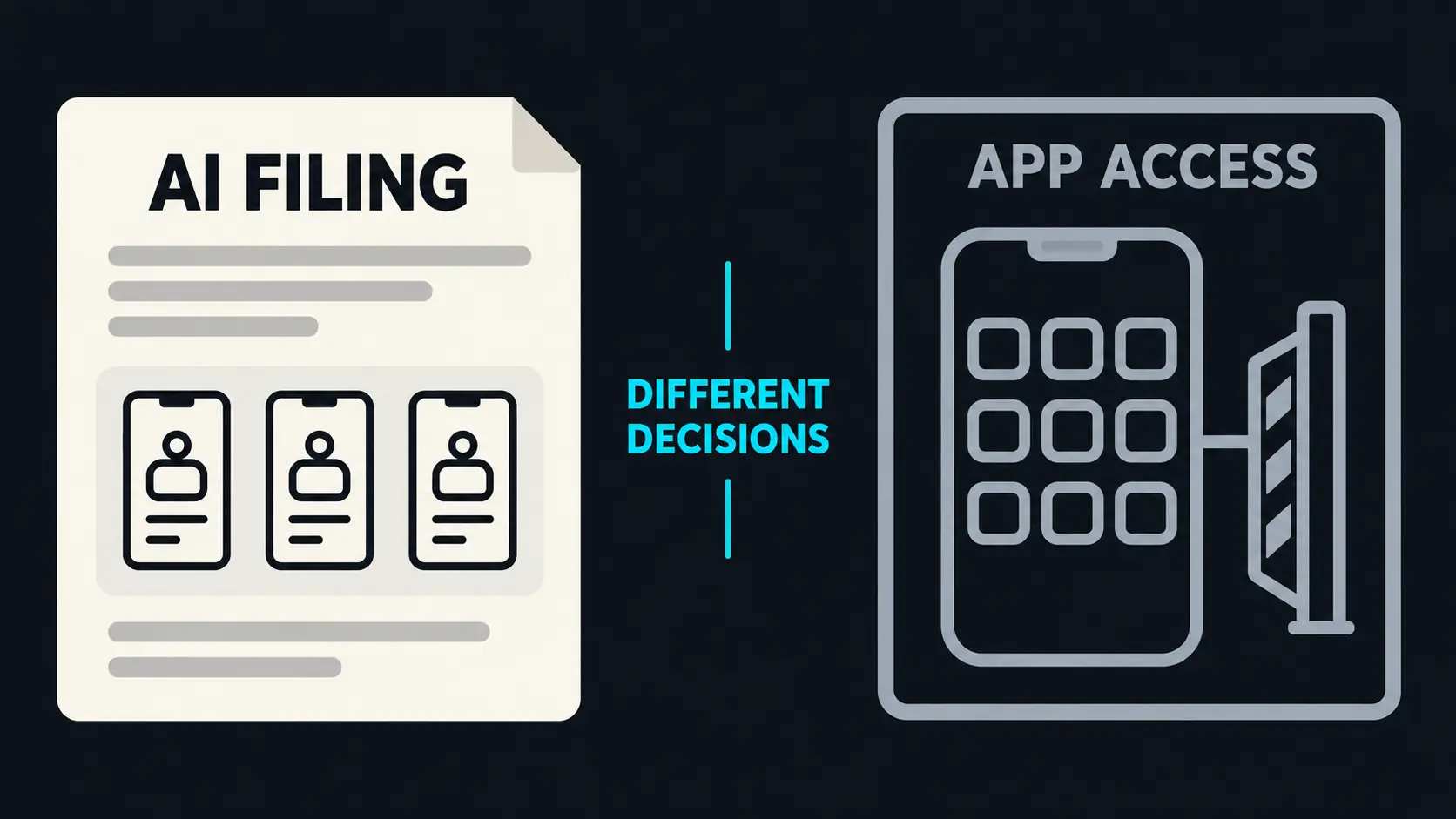
Registration and app access answer different questions. A filing does not let a phone assistant act inside WeChat or Taobao. Apple’s own July listing did not bring Siri AI to China either; Apple says the new features wait on regulatory requirements it has not named.
The CAC’s May policy on AI agents addresses authorization. Article 6 says, in translation, that an agent must not act beyond the scope of the user’s authorization. The document does not set a uniform rule for whose consent an agent needs to act inside another company’s app. For everyday apps, that question is left largely to the companies, for now.
Two of the largest platforms have already answered that question in a similar way. ByteDance has proposed another. The rest of this piece looks at which version is taking hold, and what it leaves for phone makers, chipmakers and Apple.